
A sports uniform is more than a team’s visual identity. It needs to perform under pressure, withstand repeated washing and use, provide comfort during intense activity, and maintain its appearance throughout a season.
Whether you are ordering uniforms for a professional team, sports club, school, academy, or brand, choosing the right sports uniform manufacturer can make a significant difference in quality, performance, and long-term value.
But how can you tell whether a sports uniform is genuinely high quality?
From fabric selection and stitching to fit, customization, and durability, here are 10 important things to look for when choosing a high-quality sports uniform.
1. High-Performance Fabric
The fabric is one of the most important factors in determining the quality of a sports uniform.
Athletes need uniforms that are lightweight, breathable, flexible, and comfortable during movement. High-performance sports fabrics are designed to help athletes perform without feeling restricted by their clothing.
Commonly used materials include polyester blends and other technical fabrics engineered for sports applications.
A quality uniform should offer:
- Breathability
- Moisture management
- Lightweight construction
- Good stretch and flexibility
- Quick-drying performance
- Comfortable movement
- Resistance to regular wear
The right fabric also depends on the sport. A basketball uniform, for example, has different performance requirements from an ice hockey jersey or an American football uniform.
2. Durable and Strong Stitching
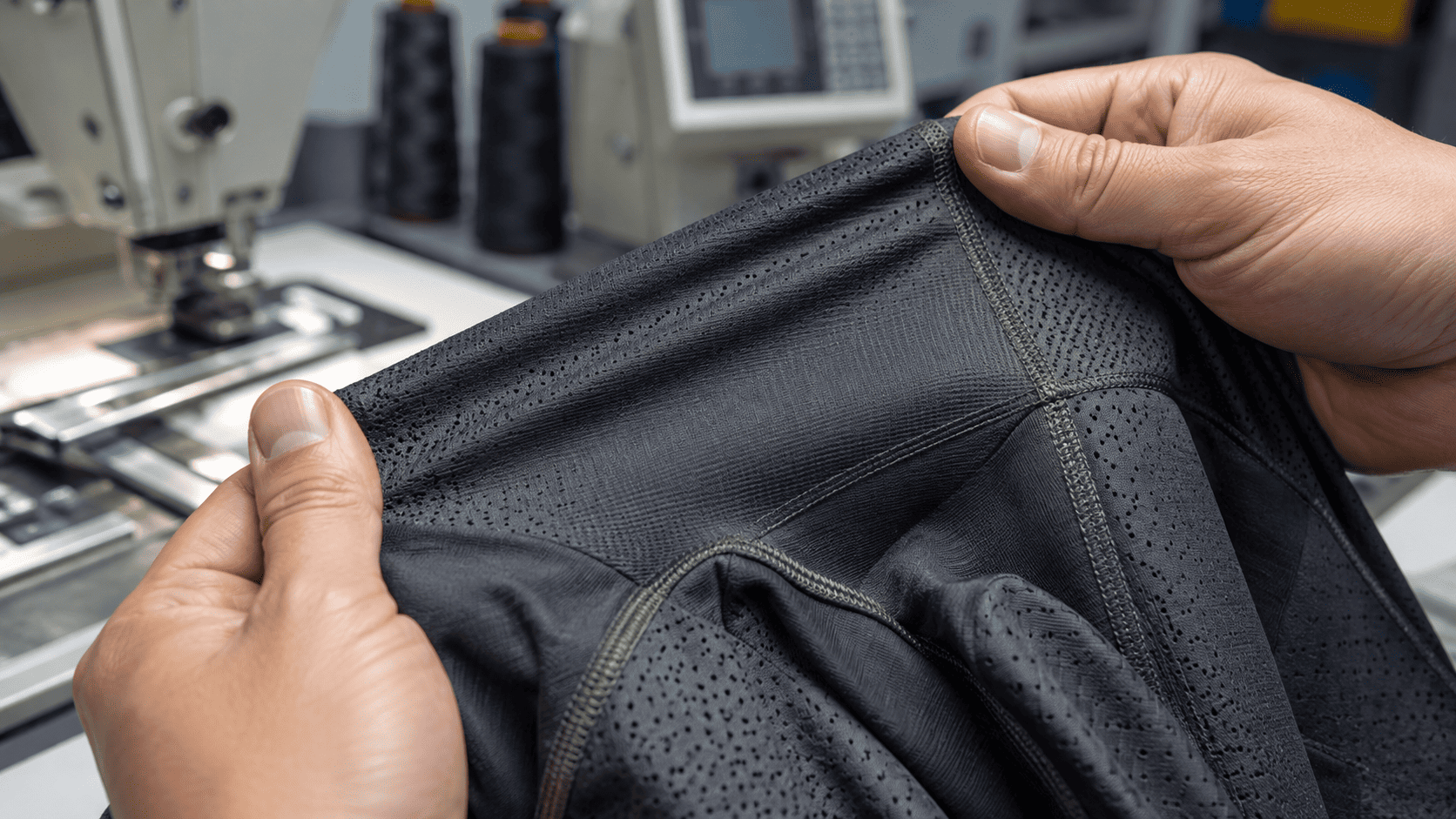
A uniform can have excellent fabric, but poor stitching can quickly turn it into a low-quality product.
Sports uniforms experience constant movement, stretching, pulling, and friction. Seams therefore need to be strong enough to handle the demands of competitive sports.
Look closely at areas such as:
- Shoulder seams
- Side seams
- Armholes
- Collar construction
- Waistbands
- Pockets
- Reinforced areas
Professional manufacturing should use appropriate stitching techniques for the garment and sport.
A high-quality uniform should remain structurally sound after repeated training sessions, games, and washing.
3. Comfortable and Athletic Fit
A sports uniform should allow athletes to move naturally.
An overly tight uniform can restrict movement, while an excessively loose uniform can become uncomfortable or interfere with performance.
The ideal fit depends on the sport and the garment.
For example:
- Basketball uniforms generally require freedom around the shoulders and arms.
- Baseball uniforms need comfortable movement through the torso and shoulders.
- Soccer kits need a lightweight athletic fit.
- Rugby uniforms require construction capable of handling physical contact.
- American football uniforms need to accommodate protective equipment.
A good custom sports uniform manufacturer should be able to offer different sizing and fitting options rather than treating every sport the same way.
4. Excellent Moisture Management
During training and competition, athletes generate heat and sweat. A quality sports uniform should help manage moisture rather than trapping it against the body.
Moisture-wicking fabrics can help move perspiration away from the skin and allow it to evaporate more efficiently.
This can contribute to a more comfortable experience during intense activity.
When evaluating a uniform, consider whether the fabric is designed for:
- Sweat management
- Fast drying
- Breathability
- Air circulation
- Temperature comfort
These features are particularly important for sports played in warm or demanding conditions.
5. High-Quality Customization
Customization is a major part of modern teamwear.
Teams often want uniforms featuring their own:
- Team name
- Logo
- Player names
- Player numbers
- Sponsor logos
- Colors
- Patterns
- Branding elements
However, customization quality matters just as much as the design itself.
Printing, embroidery, sublimation, patches, and other decoration techniques should be selected according to the garment and intended use.
For example, sublimation is widely used for sportswear designs because graphics can become integrated into the fabric rather than simply sitting on the surface.
A quality manufacturer should also maintain accurate colors, sharp graphics, clean placement, and consistent branding across an entire team order.
6. Color and Design Accuracy
A professional team expects its uniforms to look consistent.
If ten jerseys are ordered, the colors, logos, patterns, numbers, and design placement should be consistent across the entire production run.
This is particularly important for teams and brands with established visual identities.
A reliable manufacturing process should include quality checks for:
- Color consistency
- Logo placement
- Number positioning
- Graphic alignment
- Pattern accuracy
- Size labeling
- Overall garment appearance
Design accuracy is one of the details that separates professional teamwear from generic sports apparel.
7. Reinforced Construction Where It Matters
Different sports put stress on different areas of a uniform.
A high-quality sportswear manufacturer understands these requirements and adjusts construction accordingly.
For example, uniforms designed for contact sports may require additional reinforcement in high-stress areas. Baseball uniforms may need durable construction around areas exposed to repeated movement, while hockey garments require different considerations because of protective equipment and the physical nature of the sport.
The important point is that a quality uniform should be designed around the actual demands of the sport, not simply made from a standard template.
8. Shape Retention and Wash Durability
Sports uniforms are washed frequently.
A high-quality uniform should maintain its shape, color, graphics, and overall appearance after repeated washing.
Poor-quality garments may experience:
- Shrinkage
- Fading
- Distortion
- Loose stitching
- Peeling graphics
- Fabric deterioration
When evaluating a manufacturer, ask about fabric testing, colorfastness, stitching durability, and recommended washing procedures.
A uniform that looks excellent on day one but deteriorates after several washes is not a genuinely high-quality product.
9. Professional Quality Control
Quality control is often invisible to the customer, but it has a major impact on the finished uniform.
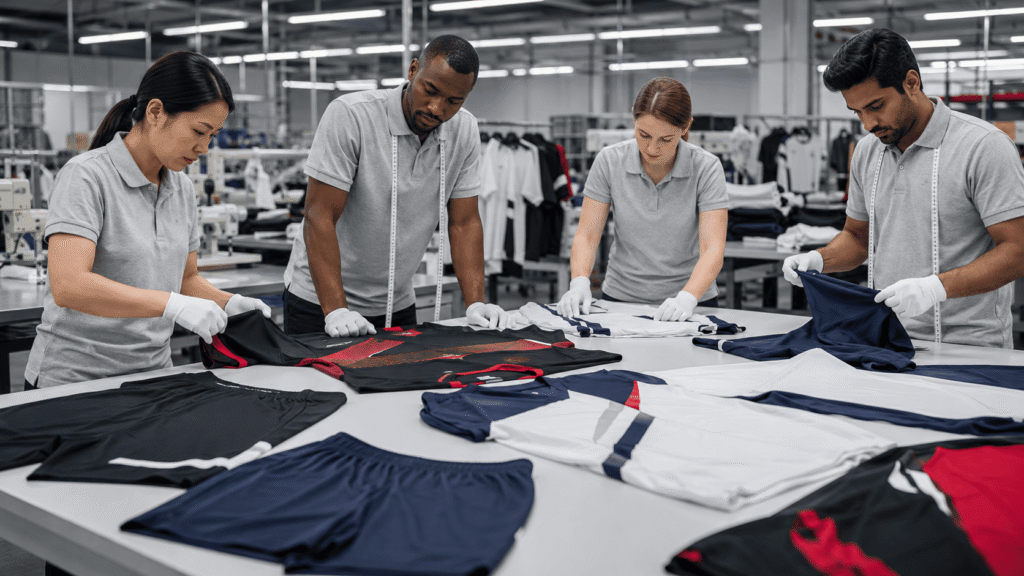
Professional sportswear manufacturers should have quality checks throughout the production process rather than only inspecting the finished product.
A typical quality-control process may include checking:
- Fabric quality
- Cutting accuracy
- Stitching
- Measurements
- Printing or sublimation
- Logo placement
- Color consistency
- Finishing
- Final appearance
- Packaging
For larger team orders, consistency is particularly important. Every player should receive a uniform that meets the same manufacturing standard.
10. A Reliable Sports Uniform Manufacturer
Even the best uniform design means little if the manufacturer cannot consistently deliver quality.
When choosing a manufacturer, look beyond the product photographs.
Consider their:
- Manufacturing experience
- Sportswear specialization
- Customization capabilities
- Fabric options
- Quality-control process
- Sampling process
- Production capacity
- Communication
- Packaging
- Ability to handle repeat orders
A reliable sports uniform manufacturer should understand both the technical and visual requirements of teamwear.
They should also be able to work from your specifications, artwork, measurements, and branding requirements.
For teams and businesses ordering repeatedly, consistency is especially important. Your second order should look and perform like the first.
How to Choose the Right Sports Uniform Manufacturer
Before placing a large order, ask the manufacturer a few important questions.
Do they specialize in sportswear?
A manufacturer experienced in sportswear will understand the differences between various sports and their performance requirements.
Can they provide samples?
A sample allows you to evaluate fabric, fit, stitching, printing, colors, and overall construction before committing to bulk production.
Can they handle custom designs?
If your team needs unique colors, patterns, logos, player names, numbers, or sponsor branding, confirm that the manufacturer can reproduce your design accurately.
What is their quality-control process?
A professional manufacturer should be able to explain how garments are inspected during production.
Can they maintain consistency on repeat orders?
This is particularly important for clubs, academies, distributors, and brands that reorder uniforms regularly.
Final Checklist: What Should You Look For?
Before choosing your next sports uniform, make sure you evaluate these 10 factors:
- High-performance fabric
- Strong stitching
- Athletic and comfortable fit
- Moisture management
- High-quality customization
- Accurate colors and design
- Reinforced construction
- Wash and shape durability
- Professional quality control
- A reliable sports uniform manufacturer
When all of these elements come together, you get a uniform that does more than look good—it is built to perform.
Custom Sports Uniforms by Nuto Sports
At Nuto Sports, we understand that teams, clubs, academies, and brands need sportswear that combines performance, customization, durability, and professional presentation.
From custom team uniforms to fully customized sportswear, choosing the right manufacturing partner is an important step toward creating products that athletes are proud to wear.
Whether you are developing a new team kit or sourcing uniforms for your sports brand, focus on the details that matter—from the fabric and stitching to customization and quality control.
A high-quality sports uniform isn’t just designed for the game. It’s manufactured for the demands of the game.